

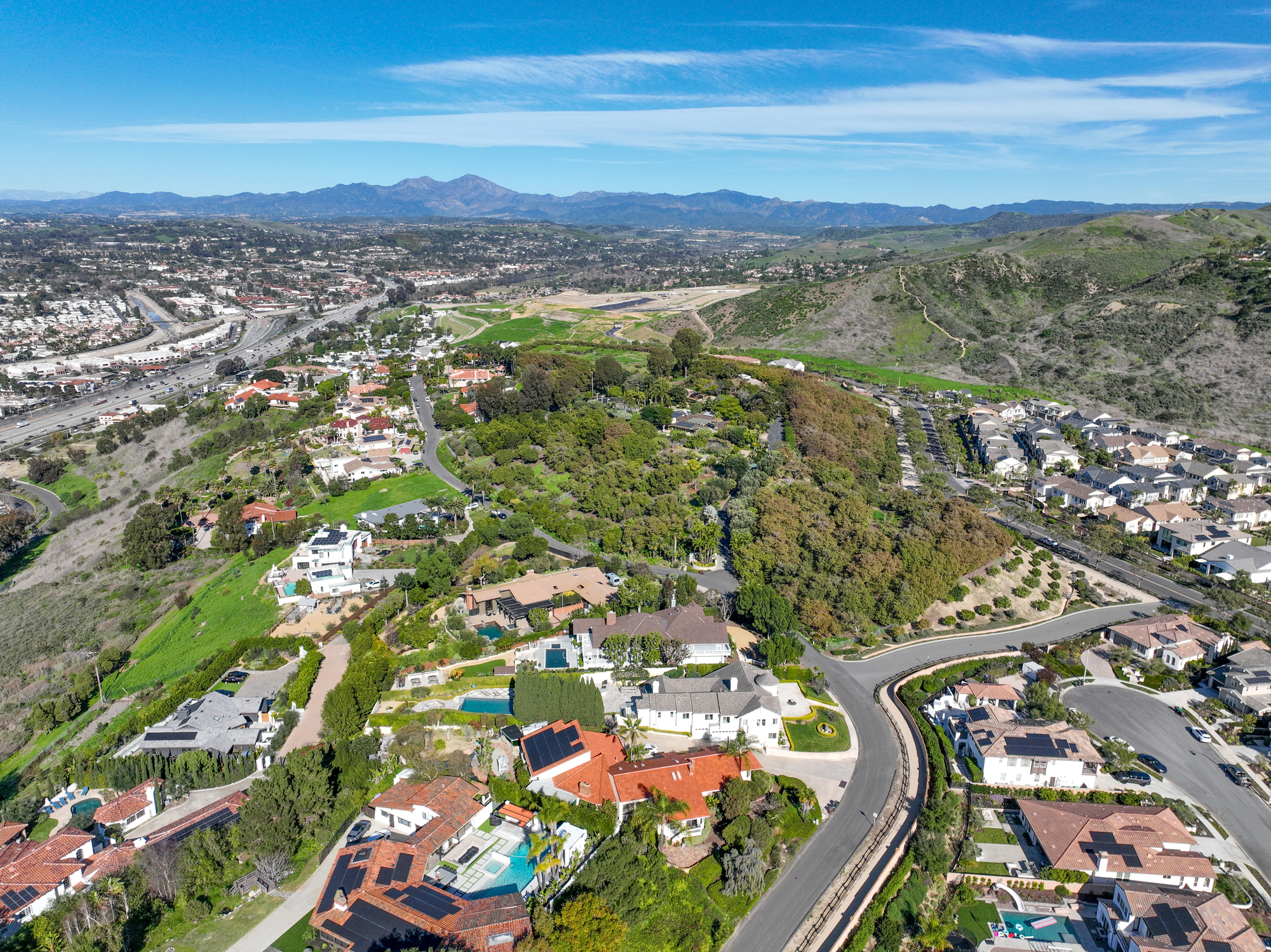
San Juan Capistrano luxury real estate offers a lifestyle unlike anywhere else nearby: rich history with multi-acre compounds, private equestrian trails, and quiet gated enclaves.
Real estate in South Orange County often brings to mind oceanfront terraces and compact coastal lots. But just minutes inland, San Juan Capistrano offers something far rarer: sprawling acreage, private equestrian compounds, and custom estates wrapped in historic California charm.
Here, luxury is measured not just in square footage, but in multi-acre pads, direct bridle trail access, and hillside views. Whether you are searching for a custom horse property or positioning an estate for the market, understanding San Juan Capistrano luxury real estate is the key to making clear, confident decisions.
This guide explores the enclaves, property types, and unique lifestyle details that make this market so extraordinary.
Table of contents
- At a glance: San Juan Capistrano luxury real estate
- San Juan Capistrano market overview: History, housing, and investment value
- The anatomy of a San Juan Capistrano estate: Land, equestrian infrastructure, and architecture
- Gated communities versus non-gated enclaves
- Frequently asked questions
- Let’s discuss your San Juan Capistrano real estate goals
At a glance: San Juan Capistrano luxury real estate
- Location and setting: South Orange County coastal valley, between Dana Point, Laguna Niguel, and San Clemente, just five miles from the Pacific Ocean.
- Primary property types: Custom acreage estates, equestrian compounds, guard-gated golf communities, and historic ranch-style residences.
- Acreage and usability: Parcels range from ½-acre homesites to multi-acre compounds; market value hinges heavily on flat, usable pad versus sloped hillside terrain.
- Equestrian heritage: Over 60 miles of interconnected municipal bridle trails, private riding arenas, custom stables, and proximity to the San Juan Capistrano Equestrian Center.
- Architectural diversity: Spanish Colonial, Mediterranean Revival, Monterey Ranch, Adobe-inspired, and contemporary custom builds.
- Luxury price range: Single-family luxury homes typically range from $2.5M to $5M+, with custom equestrian and hilltop trophy estates reaching $6M to $12M+.
San Juan Capistrano market overview: History, housing, and investment value
Founded with the establishment of Mission San Juan Capistrano in 1776, the city is one of Orange County’s oldest and most historically rich communities. Early agricultural ranchos and citrus groves defined the valley for generations.
As South Orange County developed in the late 20th century, San Juan Capistrano intentionally preserved its open spaces, equestrian heritage, and low-density planning. This history created a real estate environment where land is protected, historic character is honored, and suburban sprawl is held at bay.
General housing market makeup
San Juan Capistrano luxury real estate is primarily single-family residential, with heavy emphasis on custom-built estates and acreage parcels. Unlike neighboring planned communities, homes here span a wide spectrum of configurations:
- Single-family custom estates: 60% to 65% of local luxury inventory.
- Equestrian and acreage properties: 20% of high-end homes, localized along Calle Arroyo, Ortega Highway, and Trabuco Creek corridors.
- Gated and golf communities: 15% of inventory, including Marbella, The Hunt Club, and Hunter’s Creek.
Pricing spectrum and market benchmarks
- Entry-level residential: Condos and townhomes range from $850,000 to $1.2M.
- Core single-family homes: $1.4M to $1.8M citywide median benchmark.
- Luxury and custom estates: Luxury homes in San Juan Capistrano generally range from $2.5M to $5M+.
- Trophy estates and horse compounds: Ultra-luxury San Juan Capistrano estates with multi-acre parcels frequently reach $6M to $12M+.
The investment case for San Juan Capistrano luxury real estate
For buyers evaluating options and sellers positioning properties for the market, San Juan Capistrano offers several compelling value drivers:
- Scarcity of usable land: Land in South Orange County is finite. The city’s low-density zoning guarantees that multi-acre parcels cannot be replicated in nearby coastal markets.
- Insulated long-term equity: The combination of historic charm, private school proximity, and strict development limits protects property values during broader market shifts.
- Lifestyle diversification: Unlike pure coastal markets dependent entirely on ocean proximity, San Juan Capistrano offers space, privacy, golf amenities, and equestrian infrastructure as well as access to Dana Point or Laguna Beach.
The anatomy of a San Juan Capistrano estate: Land, equestrian infrastructure, and architecture
While square footage and high-end finishes matter in any market, a San Juan Capistrano estate is defined just as much by what sits outside its four walls. The combination of land usability, specialized equestrian infrastructure, and rich architectural tradition shapes how these properties live—and how they perform as investments over time.
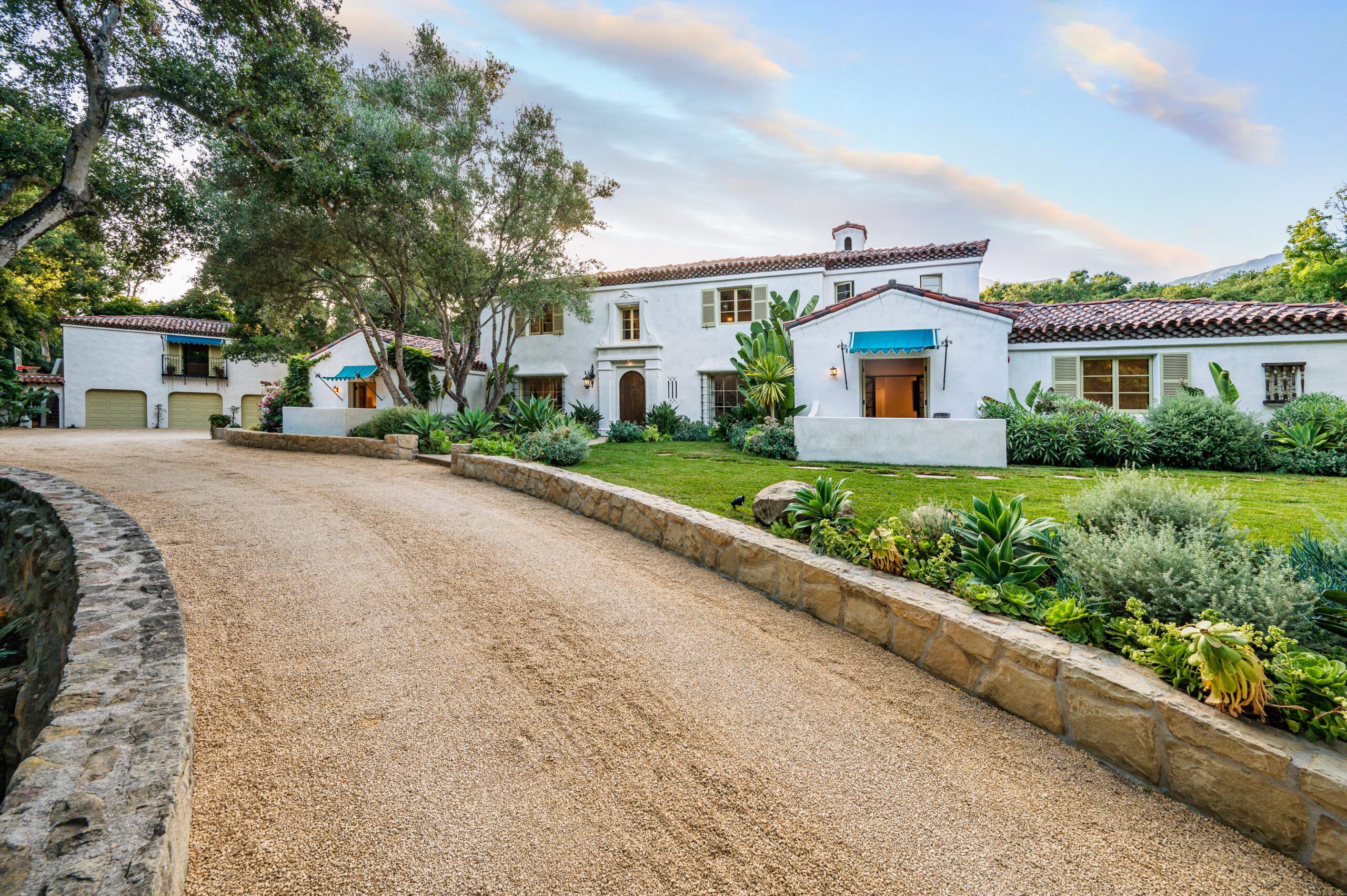
San Juan Capistrano luxury real estate is best known for its beautiful equestrian compounds and acreage parcels.
Estates and acreage: Usable land versus total parcel size
One of the clearest distinctions between San Juan Capistrano and neighboring coastal hubs like Dana Point or Laguna Beach is the opportunity to acquire substantial land. On San Juan Capistrano estates, acreage can accommodate guest houses, swimming pools, private vineyards, motor courts, or expansive grounds. However, total acres does not always equal usable space.
A two-acre hillside parcel in a canyon setting functions differently from two level acres along Trabuco Creek. Topography, soil stability, grading restrictions, access roads, and city setbacks shape how land can be used. Location also influences land value: some properties emphasize wide valley views from elevated ridgelines, while others sit secluded behind mature sycamores and security gates.
Equestrian properties: Infrastructure, zoning, and trail networks
San Juan Capistrano’s deep-rooted equestrian heritage remains one of its strongest real estate draws. The city maintains over 60 miles of interconnected bridle trails, making it a premier destination for horse owners in Southern California.
Equestrian homes in San Juan Capistrano range from private residences that accommodate a few horses to fully developed equestrian compounds. Depending on zoning and parcel size, high-end horse properties may also include:
- Custom barns, covered stalls, and turnouts
- Dedicated tack rooms, feed storage, and wash racks
- Professional riding arenas with specialized footing
- Trailer parking, wide turnarounds, and manure management facilities, and
- Direct gate ties to municipal riding trails
A large parcel does not automatically guarantee horse permissions. City overlays, animal-keeping permits, slope stability, and runoff rules dictate how many horses a property can support. Evaluating these details early prevents costly surprises during escrow.
Architectural styles and historic context
San Juan Capistrano’s architectural landscape reflects both its historic origins and modern luxury evolution. Common architectural styles across luxury homes in San Juan Capistrano include:
- Spanish Colonial and Mediterranean Revival: Characterized by red-tile roofs, smooth stucco, interior courtyards, and hand-forged ironwork.
- California Ranch and Monterey: Featuring sprawling single-story layouts, exposed timber beams, and relaxed outdoor living spaces.
- Adobe-inspired architecture: Earthy textures, thick walls, and terracotta tile details referencing early California design.
- Contemporary custom estates: Floor-to-ceiling glass, open-concept living, energy-efficient systems, and seamless indoor-outdoor integration.
Historic context also plays a role in property values. The city preserves its early roots through the Los Rios Street Historic District and historic adobe structures near Mission San Juan Capistrano. For properties located within historic zones or subject to city preservation overlays, exterior modifications require specialized planning approvals.
Gated communities versus non-gated enclaves
San Juan Capistrano offers several established gated and estate neighborhoods, each delivering a distinct lifestyle experience.
Guard-gated enclaves
- The Hunt Club: Located off Ortega Highway, this 24-hour guard-gated community features roughly 130 custom estates on multi-acre parcels. Known for sycamore-lined streets like Derby Hills and Polo Circle, it offers direct access to the Hunt Club Riding Trail and sits adjacent to St. Margaret’s Episcopal School.
- Marbella: Centered around the private 18-hole Jay Morrish championship course at Marbella Country Club, this enclave features Mediterranean architecture, fairway views, and a refined club lifestyle minutes from Interstate 5.
- Hunter’s Creek and Rancho Madrina: These gated communities offer custom and semi-custom executive homes on generous parcels, blending private security with proximity to local schools and historic downtown.
- The Oaks Farms: An intimate gated community of just 32 residences, The Oaks Farms pairs Equestrian Farmhouse and Adobe Ranch-inspired homes with an adjacent equestrian facility. Preserved coastal live oaks, trail access, and proximity to St. Margaret’s Episcopal School add to its distinctive residential setting.
Non-gated custom communities
- Stoneridge Estates: Situated along the Calle Arroyo corridor, Stoneridge offers half-acre to multi-acre parcels without Mello-Roos taxes or guard gates. Properties feature private stables, tennis courts, and direct access to local riding paths.
- Peppertree Bend: A close-knit hillside enclave of 44 custom home sites featuring sweeping valley views, ocean breezes, and a dedicated bridle path running through the neighborhood.
Frequently asked questions
- Does every horse property have direct bridle trail access?
No. Trail access varies by street and parcel. Some properties connect directly to municipal trails, while others require short street travel to reach access points. - How do Mello-Roos taxes work on San Juan Capistrano estates?
Mello-Roos taxes depend on the age of the development. Older estate enclaves established in the 1970s and 1980s are typically exempt from Mello-Roos fees. - Do estate renovations require special permits in San Juan Capistrano?
Yes. Building, grading, and site work require Planning Department approval. Properties in historic districts or subject to city overlays face additional reviews before major alterations begin.
Let’s discuss your San Juan Capistrano real estate goals
From multi-acre equestrian compounds to peaceful guard-gated enclaves, San Juan Capistrano offers an estate lifestyle unlike anywhere else in Orange County.
If you are considering buying or selling an estate property in San Juan Capistrano, I am here to help you evaluate your options and execute a strategy tailored to your timeline and vision. Call me, Robyn Robinson, at 949.295.5676 or send a message to begin.