

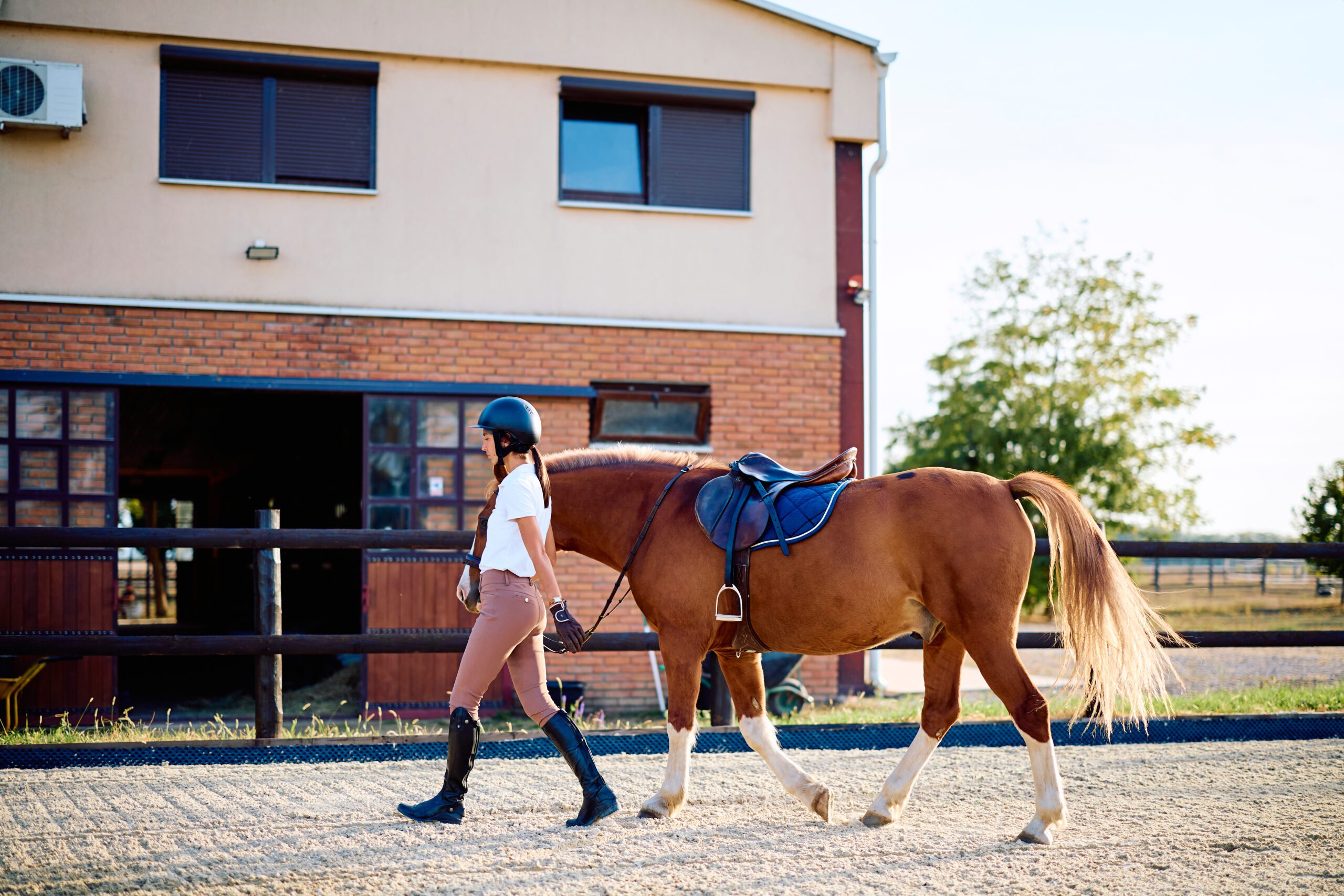
Equestrian properties combine the home, land, and horse facilities into one complete lifestyle, making layout and usability especially important for buyers.
Often hailed as the horse capital of Orange County and the West Coast, San Juan Capistrano protects a rich pastoral identity centered around multi-acre compounds, municipal bridle paths, and specialized agricultural zoning.
As an advocate and negotiator for clients navigating this unique market, I find that successful acquisitions start with looking past surface aesthetics to evaluate land usability, municipal regulations, and operational infrastructure. Together, let us take a closer look at the market and what you need to know before exploring equestrian homes for sale in San Juan Capistrano.
Table of contents
- At a glance: San Juan Capistrano equestrian real estate
- San Juan Capistrano’s equestrian real estate market as it stands
- Evaluating land, infrastructure, and regulations for horse properties
- FAQs: Equestrian homes for sale in San Juan Capistrano
- Ready to explore equestrian homes for sale in San Juan Capistrano?
At a glance: San Juan Capistrano equestrian real estate
- Market and zoning: San Juan Capistrano anchors Orange County’s equestrian market with over 60 miles of public trails and strict agricultural overlays.
- Usable acreage: Flat, functional ground matters more than total lot size. Municipal rules mandate specific square footage of land per horse.
- Facilities and operations: Existing barns, arenas, and agricultural infrastructure must align with your daily operational goals, from personal riding to commercial boarding.
- Trail access and logistics: Recorded easements do not guarantee trail access. Buyers must verify actual riding paths and internal circulation for trailers.
San Juan Capistrano’s equestrian real estate market as it stands
San Juan Capistrano’s deep-rooted reputation as a premier horse community stems from the 1776 founding of Mission San Juan Capistrano and the municipality’s commitment to preserving open space.
The city protects over 60 miles of interconnected municipal bridle paths, dedicated agricultural zoning overlays, and centralized facilities like the San Juan Capistrano Equestrian Center. Within the larger equestrian real estate market of Orange County, this infrastructure creates an unmatched ecosystem for riders.
Properties ranging from custom estates in The Hunt Club to expansive hillside parcels along Stoneridge Estates, Peppertree Bend, Calle Arroyo, and Trabuco Creek Canyon corridors typically command between $2.5 million and $12 million or more, offering multi-acre settings that are increasingly rare across Southern California.
Evaluating land, infrastructure, and regulations for horse properties
Zoning, permits, and community regulations
San Juan Capistrano’s equestrian heritage does not mean every large residential parcel permits horsekeeping. The city’s zoning regulations authorize private horses on individual lots in designated districts, including Residential/Agriculture (RA), Hillside Residential (HR), and residential single-family estates (RSE-40,000 and RSE-20,000), subject to specific requirements. Buyers should confirm that a property’s zoning permits their intended use rather than relying on acreage or existing horse facilities alone.
Reviewing legal requirements during diligence should cover:
- Zoning classifications, authorized equestrian uses, and permitted horse counts
- Homeowners association bylaws and architectural guidelines
- Recorded easements affecting access or building areas
- Permit history and conditions of approval for barns, arenas, retaining walls, and grading
- Existing code violations and water-quality compliance requirements
Private stables and commercial boarding operations face distinct regulatory standards. Establishing a commercial boarding or training facility generally requires a Conditional Use Permit in an eligible zoning district.
Water-quality compliance is another consideration. Equestrian facilities must follow applicable stormwater regulations and best management practices for manure storage, wash-rack runoff, and sediment control. Buyers evaluating working stables should review existing waste-management arrangements and any applicable environmental permits before closing.
Usable acreage versus total lot size
Lot size alone fails to show how much space is practical for horses. Slope, drainage, utility easements, setbacks, and access routes can reduce the amount of functional ground available for stalls, paddocks, riding arenas, or trailer parking.
San Juan Capistrano’s equestrian regulations make that distinction especially important. For individual parcels in designated agricultural and residential zones, the city generally allows one horse per 10,000 square feet of total land area. Properties must also provide at least 2,500 square feet of equestrian-use area for the first horse, including 500 square feet of relatively flat land with a slope of no greater than 10%. Each additional horse requires another 500 square feet of flat land.
Consequently, a steep hillside parcel may offer less functional equestrian space than a smaller, flatter property. Buyers should review detailed site plans, boundary surveys, zoning requirements, and applicable setbacks to determine how much of the property can legally and practically accommodate horses.
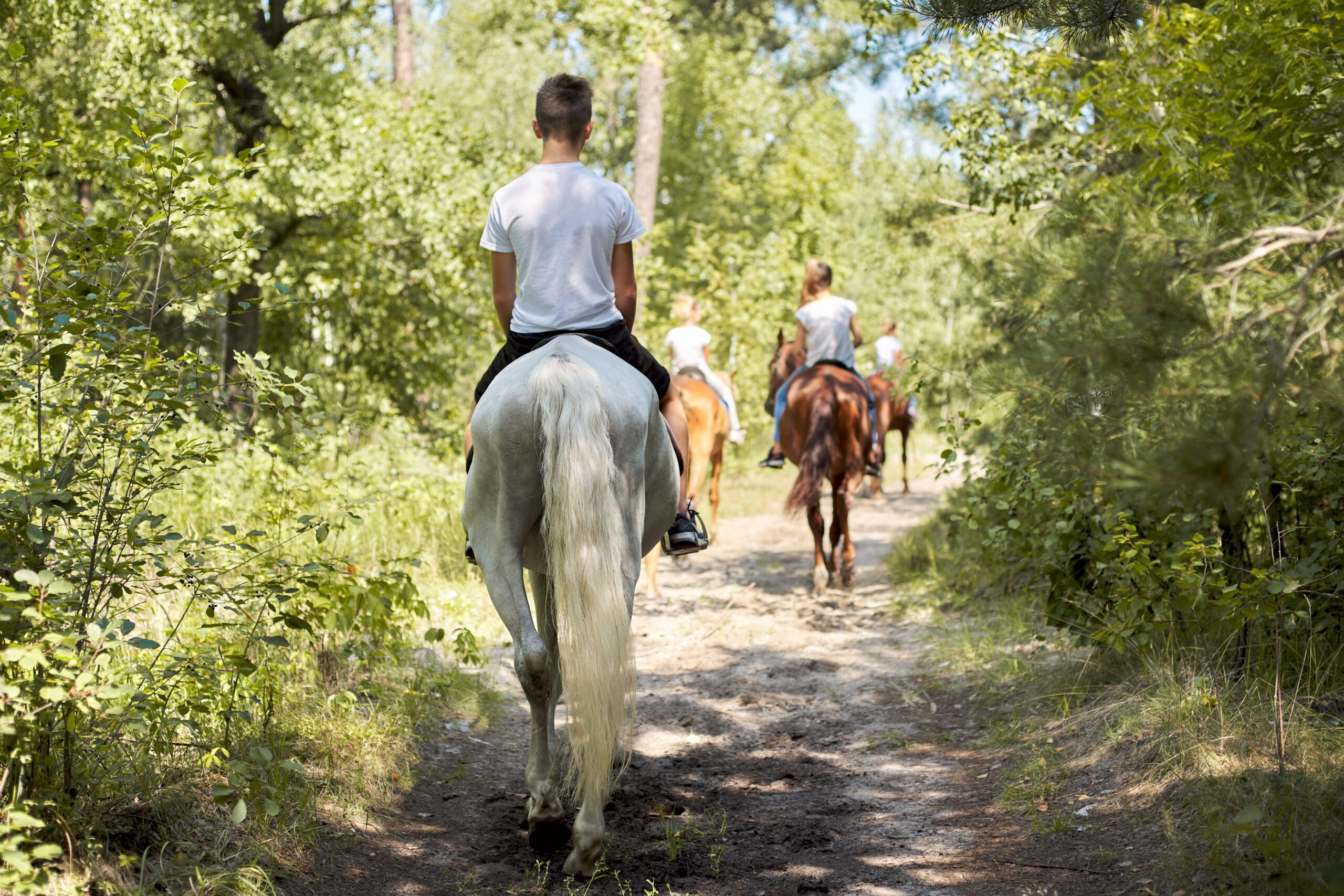
As you evaluate equestrian homes for sale in San Juan Capistrano, take care to consider trail access and easements.
Matching horse facilities to operational goals
Horse properties in San Juan Capistrano can feature everything, from modest stables to comprehensive facilities equipped with barns, illuminated arenas, wash racks, and dedicated feed storage. Evaluating existing structures calls for a close inspection of:
- Barn roofs, structural framing, and stall integrity
- Fencing materials, gate widths, and turnout paddocks
- Electrical capacity and water line distribution
- Arena footing condition and subsurface drainage
- Wash racks, manure management areas, and service access
The facilities should match your intended use of the property. Keeping two personal riding horses creates different demands than operating a training facility or managing commercial boarding. The distinction also carries regulatory implications; commercial equestrian operations generally require city approval through a Conditional Use Permit.
Trail connectivity and property access logistics
Trail access is an important consideration when evaluating San Juan Capistrano equestrian real estate. Listings, however, describe proximity in different ways. Some estates do offer direct access to designated equestrian trails. Others require following neighborhood routes or traveling to designated trailheads.
You should also distinguish between recorded trail easements and actual riding access. In August 2025, the San Juan Capistrano Planning Commission reviewed the proposed vacation of an equestrian easement affecting nine residential parcels near Calle Roberto and Aguacate Road. The easement had never been developed into a public trail and did not connect to other public equestrian facilities. This case illustrates why a recorded easement does not necessarily guarantee access to the broader trail network.
Internal circulation deserves equal scrutiny. Gate dimensions, driveway turning radii, and parking space determine how easily large horse trailers, feed trucks, and emergency vehicles can navigate the grounds. Buyers should verify trail access rights and evaluate the complete route from the public street to the barn to identify potential logistical bottlenecks before closing.
FAQs: Equestrian homes for sale in San Juan Capistrano
-
What fire safety or brush clearance rules apply to San Juan Capistrano horse properties?
Hillside and rural horse properties must maintain defensible space, clear dry brush around barns, and comply with Orange County Fire Authority regulations regarding combustible material storage. -
How does keeping livestock and agricultural structures affect homeowners insurance?
Standard homeowner policies frequently exclude commercial boarding or liability related to livestock. Buyers often secure specialized equine liability endorsements to cover barns, arenas, and horses. -
Do equestrian estates in San Juan Capistrano carry Mello-Roos taxes?
Most established equestrian enclaves like Stoneridge Estates and older sections of The Hunt Club date back decades and remain entirely free from Mello-Roos assessments.
Ready to explore equestrian homes for sale in San Juan Capistrano?
A horse property in San Juan Capistrano can look ideal on paper and still raise important questions once you look more closely at the land, facilities, access, and local requirements. The best fit will depend on how you plan to use the property, what improvements are already in place, and what may need further review before closing.
If you are considering buying in San Juan Capistrano, I can help you compare properties with those details in mind and understand how each one fits your plans. Call me, Robyn Robinson, at 949.295.5676 or reach out to get started.